Out of the Ordinary Accommodation Experiences Around the World
Discover Unconventional Hotels That Will Change How You Travel!
Standard hotel rooms with their predictable amenities? They may start to feel a bit tired for discerning travelers craving something memorable. The most incredible alternative accommodation experiences range from sleeping underwater surrounded by marine life to spending nights in converted prisons, treehouses suspended in ancient forests, and glass igloos positioned for optimal aurora viewing. These days, more and more travelers are after unique accommodations that transform their stay into an adventure, not just a place to crash.
What makes these places so compelling? They offer immersive experiences that connect guests with local cultures, wild environments, and a surprising amount of artistic flair. Instead of just being a pit stop, these spots—from cliff-hanging capsules in the Italian Alps (Bivacco Gervasutti), to authentic Javanese houses among Balinese rice paddies—are often the highlight of the trip.
The appeal isn’t just about novelty. Sustainability, cultural preservation, and a real sense of adventure are all in the mix. Remote wilderness retreats, art installations masquerading as hotel rooms, and reimagined historic buildings give travelers stories they’ll actually want to tell. These places push the boundaries of hospitality, blending architecture, environment, and heritage into something that feels fresh—and honestly, a lot more personal.
What Makes Alternative Accommodation Experiences So Extraordinary
Alternative accommodations turn routine travel into something you’ll actually remember. They offer unique settings that regular hotels just can’t touch. These distinctive properties often deliver deeper cultural connections, added privacy, and sometimes even a lighter carbon footprint on the planet.
Defining Alternative Stays
So, what counts as “alternative”? Pretty much any place to stay that isn’t a cookie-cutter hotel. Think treehouses, old airplanes, glass igloos, underwater suites, and centuries-old castles.
Unique accommodation experiences can mean sleeping in a suspended pod in a Canadian forest or glamping in a desert tent. Plenty are set in repurposed spaces—former prisons, lighthouses, or even old factories.
Vacation rentals, boutique hotels, and eco-lodges with standout architecture or locations all fall under this umbrella. The focus is on experience, not uniformity.
Key characteristics include:
- Unconventional architecture or design
- Remote or extraordinary locations
- Limited room inventory
- Personalized service approaches
Why Travelers Choose Unique Lodgings
People are chasing authentic experiences that stick with them long after the trip. Alternative accommodation options answer that call by making the stay itself a major event.
Let’s be honest—social media plays a role. Travelers want those jaw-dropping, envy-inducing backdrops for their feeds.
But it’s not just about the photos. Many are after a deeper connection with local culture and the landscape. Staying in a ryokan, a desert camp, or a family-run guesthouse can open doors to authentic immersion you’ll never get in a big chain hotel.
Furthermore, having your own vacation rental means space to spread out and keep your own rhythm, all while exploring somewhere new.
Benefits Over Traditional Hotels
Alternative accommodations often give you more bang for your buck. Rentals with kitchens, living rooms, and multiple bedrooms can cost about the same as a single hotel room.
Privacy is a huge plus—no crowded lobbies, no noisy neighbors. Some places are so secluded you might forget the rest of the world exists.
Environmental advantages include:
- Lower energy use per guest
- Blending with natural landscapes
- Supporting local communities
- Less impact from new construction
Having a kitchen means you can skip hotel restaurants, shop at local markets, and try your hand at regional recipes.
Unique stays sometimes come with wild perks—like feeding giraffes at Giraffe Manor in Kenya. You just don’t get that at a chain hotel.
And let’s not forget the personal touch. Smaller properties often nail the service, with owners and staff eager to share local tips or tailor recommendations to your interests.
Iconic Unconventional Accommodations Around the World
Historic buildings turned luxury stays let guests sleep inside centuries-old walls, while treehouses offer a bird’s-eye view of the world. Old prisons and churches have been given second lives as distinctive lodging that blend history with comfort.
Castles, Palaces, and Historic Fortresses
Europe’s medieval castles have become luxury hotels, preserving their grandeur for a new era. Ashford Castle in Ireland, which dates to 1228, still looks every bit the fortress but now pampers guests with five-star amenities inside those ancient stone walls.
Up in Scotland, Inverlochy Castle – an SLH property – delivers Highland living, complete with original tapestries and antiques. It sits beneath the majestic Ben Nevis, showing off its Victorian baronial style.
Palazzo Hotels in Italy are all about Renaissance flair. Venice’s palazzos on the Grand Canal let you soak up frescoed ceilings and marble floors in what used to be noble homes.
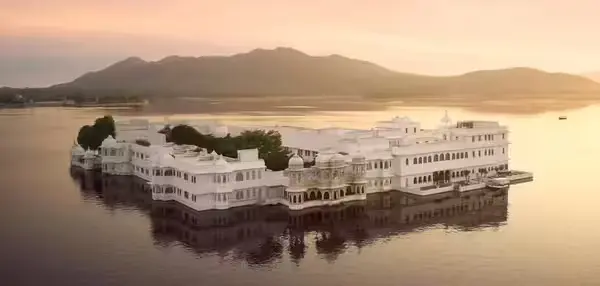
India’s palace hotels are in a league of their own. The Taj Lake Palace in Udaipur floats on Lake Pichola—a white marble vision—while Rajasthan’s palace hotels offer a taste of royal life with period décor and traditional architecture.
Treehouses and Treetop Retreats
Treehouse hotels aren’t just for kids anymore. Extraordinary treehouses offer sleeping among the canopy with comforts that rival any ground-level resort.
Costa Rica’s Tree House Lodge hoists guests 50 feet above the rainforest floor, with private bathrooms and sweeping jungle views. You might spot a sloth or two from your balcony.
Scandinavian Tree Hotels are all about design. Sweden’s Treehotel has the Mirror Cube, a reflective hideaway that disappears into the birch trees while keeping things cozy inside. There’s also the Biosphere, a room surrounded by hundfreds of birdhouses.
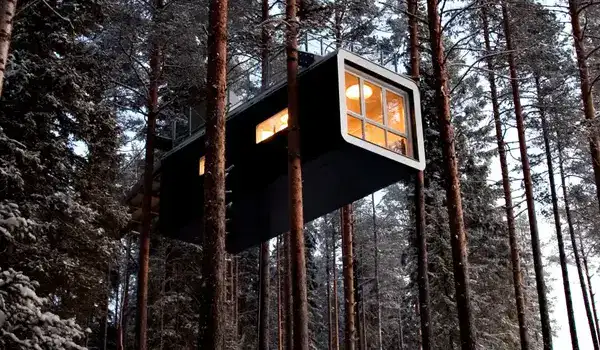
In New Zealand, Hapuku Lodge builds treehouses on stilts in a manuka grove, offering views of snowy mountains and the Pacific. They keep it eco-friendly, using sustainable materials and methods.
Converted Prisons, Churches, and Power Stations
Old prisons have found new life as hotels with a twist. Karosta Prison in Latvia offers an authentic Soviet-era prison experience—think original cells and minimal frills, for those who like their history gritty.
Boston’s Liberty Hotel took a 19th-century jail and made it chic. It still shows off the old cell blocks, but with plush furnishings and playful touches—like a restaurant named “Clink.”
Church Conversions are something else. In the Netherlands, former monasteries and convents now welcome guests with vaulted ceilings, stained glass, and tranquil courtyards that hint at their sacred past.
Even large industrial facilities have gone boutique. The London Battersea Power Station is a revamped 1960s iconic power station (the very one depicted on the famous cover of Pink Floyd’s Animals). It is a mixed-use building with shops housed in the historic turbines halls, a glass chimney lift, cafes and restaurants, theater and hotel with luxury industrial vibe.
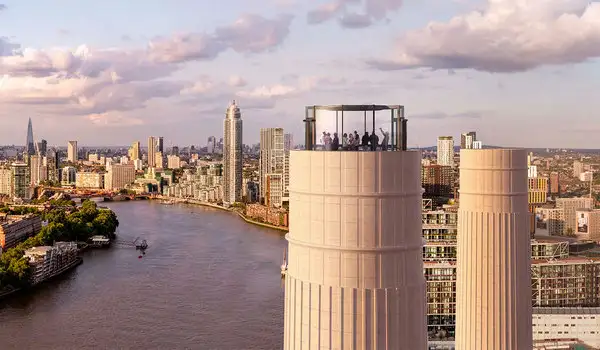
London’s Award-Winning Luxury accomodation art’otel enjoys spectacular views of the property from its rooftop with infinity pool.
Immersive Nature-Based and Remote Stays
Remote accommodations get you up close with wild landscapes, from ancient caves carved into cliffs to floating villas on turquoise lagoons. These unique nature-immersed destinations offer a direct line to nature—without skimping on comfort.
Cave Hotels and Underground Escapes
Cave hotels take natural rock formations or old caverns and turn them into surprisingly sophisticated places to stay. Cappadocia in Turkey leads the pack, with hundreds of cave hotels carved into volcanic rock that’s seen centuries go by.
The Museum Hotel in Nevsehir has rooms dug from 6th-century caves, but with modern perks like heated floors and luxe bathrooms. Thanks to the rock, temps stay a steady 65-70°F year-round.
Key Features of Cave Accommodations:
- Natural temperature control
- Thick rock walls for peace and quiet
- Loads of history and character
- Rooms shaped by the rock itself
In Italy, Sassi di Matera’s ancient cave dwellings have become UNESCO-listed hotels, blending history with modern comforts.
Jordan’s Feynan Ecolodge runs on solar power, tucked in a remote desert canyon. Guests sleep in candlelit rooms carved into sandstone, with traditional Bedouin hospitality thrown in.
Overwater Bungalows and Undersea Suites
Overwater bungalows started in French Polynesia in the ’60s and now dot tropical destinations everywhere. These stilted villas offer direct access to the water, with glass floors and private decks.
The Maldives is basically the poster child for overwater luxury, with more than a hundred resorts offering villas with private pools, butler service, and even submarine excursions. Warm water and insane visibility are the norm.
Popular Overwater Destinations:
- Maldives: 1,200 coral islands, epic reefs
- Bora Bora: Iconic mountain views and shark swims
- Fiji: Local architecture and cultural programs
- Malaysia: Budget-friendly options in Langkawi and Sabah
Underwater suites are the latest wow-factor. Dubai’s Atlantis The Palm has the Neptune and Poseidon suites, where you’re surrounded by a 65,000-creature aquarium.
The Muraka at Conrad Maldives Rangali Island goes even further: a two-level villa with the master bedroom 16 feet below sea level. Watch reef sharks and rays drift by your window—it’s surreal.
Mountain Lodges and Desert Camps
High-altitude lodges open up remote mountain regions that usually require some serious trekking. On the Everest Base Camp trail in Nepal, you’ll find everything from basic tea houses to plush lodges perched at dizzying heights.
Amangani in Jackson Hole sits at 7,000 feet, offering ski-in access and wildlife spotting. The design leans into local materials like redwood and sandstone for a seamless mountain vibe.
Mountain Lodge Considerations:
- Need to acclimatize to the altitude
- Getting there can depend on the weather
- Limited connectivity and medical help
- Some are only open part of the year
Desert camps drop you into stark, beautiful landscapes with a nod to nomadic traditions. In Morocco’s Sahara, you can ride camels, stargaze, and dive into Berber culture.
Aman-i-Khás in India operates near Ranthambore National Park with luxury tents—think private baths and air conditioning. If you’re lucky, you might spot a tiger on a game drive.
Dubai’s Al Maha Desert Resort is set inside a massive conservation reserve, with 42 Bedouin-style suites and Arabian oryx wandering the dunes. Guests can try falconry or head out on a desert safari.
Chile’s Atacama Desert lodges put you close to geysers, salt flats, and flamingo colonies at serious altitudes. The sky’s so clear, it’s a dream for stargazers—some places even have pro-level telescopes for guests.
Cultural and Local Immersion Experiences
Some accommodations are all about plugging into local communities—sharing meals with families in remote villages or learning old traditions in sacred spaces. These stays can turn a trip into something genuinely meaningful.
Homestays and Couchsurfing With Locals
Homestays put travelers right in the middle of local life, living with families, sharing meals, and picking up customs you’d never find in a guidebook. In rural Nepal, guests might help cook dal bhat, while in Havana, Cuban hosts open doors to daily routines tourists usually miss.
Couchsurfing is a bit of a wildcard—locals offer a free place to crash in exchange for conversation and cultural exchange. Some hosts love showing guests around, sharing restaurant tips, or even bringing them into their social circles. It’s a whole different side of travel.
Some Key Benefits:
- Unfiltered access to local perspectives and traditions
- Real-world language practice
- Cooking and sharing authentic meals
- Getting woven into neighborhood life
In rural spots like Rajasthan or the Andes, homestays can get especially immersive. Guests might join in on farming chores, try their hand at traditional crafts, or take part in festivals and ceremonies.
Urban homestays have their own flavor—hosts often help guests navigate public transit, discover hidden markets, or clue them in on events happening around town.
Monasteries, Temples, and Spiritual Retreats
Buddhist monasteries in Tibet and Thailand open their doors to visitors for meditation and spiritual learning. The schedule’s usually set—morning prayers, meditation, and vegetarian meals eaten with the monks.
Christian monasteries around Europe offer simple rooms and a chance to join in contemplative routines. The Abbey of Saint-Maurice in Switzerland provides a guest house run by the Franciscan Order, and France’s Taizé Community welcomes their guests in very simple accommodation conditions in dormitories. Both run structured spiritual programs.
At Hindu ashrams in India, guests get accommodation plus yoga classes, group discussions, and a bit of community service. Early mornings start with meditation, and karma yoga means pitching in with daily chores.
Accommodation Features:
- Simple sleeping arrangements—sometimes shared, sometimes private
- Communal meals (usually vegetarian, always basic)
- Daily prayers or meditation sessions
- Schedules that follow religious practices
These stays come with a few ground rules: respect dress codes, follow dietary restrictions, and be ready for periods of silence. Donations are often preferred over fixed rates.
Farm Stays and Eco-Lodges
On working farms, guests roll up their sleeves—think milking cows, harvesting, or feeding animals. Italian agriturismos blend farm chores with lessons in wine making and rustic cooking.
Organic farms through WWOOF (World Wide Opportunities on Organic Farms) trade free room and board for a few hours’ labor each day. Tasks range from weeding to building eco-friendly infrastructure.
Eco-lodges go a different route, weaving environmental lessons into the stay. Costa Rica’s eco-lodges, for example, teach rainforest conservation while offering surprisingly comfy accommodations in wild settings.
Wilderness Bisate, located in Rwanda, is an eco-friendly luxury lodge nestled in the rainforest, providing one of the most exciting safari experiences with wild primates.
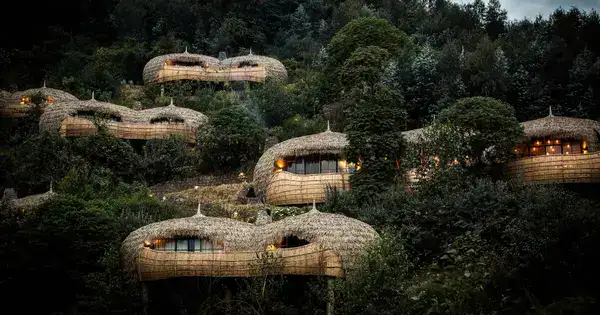
Farm Stay Activities:
- Feeding and caring for animals
- Planting, tending, and harvesting crops
- Learning food preservation and traditional cooking
- Workshops on sustainable farming
Meals are often straight from the farm—guests might even learn to make cheese or bake bread. It’s hands-on, tasty, and a little messy.
In remote places like Patagonia or Alaska, eco-lodges sometimes add wilderness skills training and guided walks for a deeper dive into local ecosystems.
Whimsical, Themed, and Artistic Lodgings
Some places just refuse to be ordinary. These lodgings turn a night’s stay into a full-blown experience—think Airstreams, fantasy castles, or rooms that double as art installations. It’s part sleep, part spectacle.
Airstreams, Trailers, and Tiny House Stays
Mobile setups like Airstreams and tiny houses offer both freedom and style, squeezing a lot of comfort into a small footprint. The best ones are cleverly designed, often with custom interiors that outshine many hotels.
Rotel Rolling Hotels take mobility to the max. These rolling hotels pack 20-26 sleeping cabins plus kitchen, dining, and bathroom space across two decks. Some trips last weeks, crossing borders without ever unpacking.
Airstreams, with their retro curves and shiny exteriors, blend nostalgia with modern perks. You’ll find them parked in deserts, forests, or tucked into mountain valleys—usually with WiFi and air conditioning, sometimes with vintage fixtures left intact.
Tiny houses are a design lover’s dream. Loft beds, fold-out tables, and multi-use nooks make them feel surprisingly roomy. Many run on solar power and have composting toilets, so you can go off-grid without roughing it.
If you love the idea of camping but refuse to give up comfort or quirky design, these places are hard to beat.
Art Installations and Fantasy-Themed Hotels
Some hotels are basically art galleries you can sleep in. Rooms might be artist-designed or follow wild themes that pull you into another world.
The Beaumont Hotel’s “ROOM” sculpture by Antony Gormley took ages to build. The suite’s walls curve inward, wrapping guests in a cocoon of silence when needed. It’s both the extension of a hotel suide occupied by a misterious bedroom and a permanent piece of art in London.
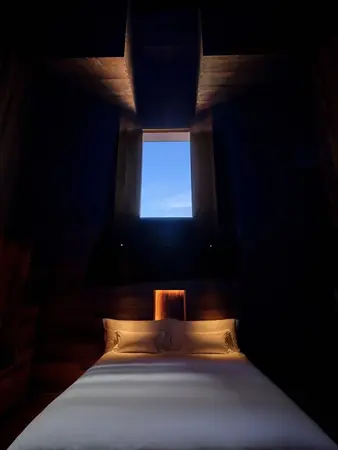
Antony Gormley – Interior side
Fantasy-themed hotels go all-in on decor. The Roxbury Motel in New York, for example, has suites like “The Wizard’s Emeralds,” decked out with playful, over-the-top details.
La Balade Des Gnomes in Belgium is a labor of love—each themed room takes months to finish. The Trojan horse room? Two stories tall, medieval inside, and you enter through the horse’s belly. Underground tunnels link up the fantasy spaces.
Hotel Not Hotel in Amsterdam is a maze of installations. Sleep in a vintage tram or hunt for the secret bookcase room—if you can solve the puzzle to get in.
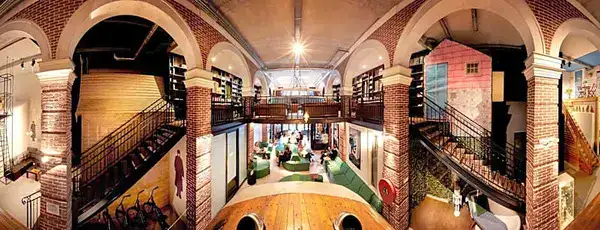
Unique Urban Boutique Hotels
City boutique hotels are where creativity and luxury collide. They often turn old buildings into something new, or just go wild with architecture and art.
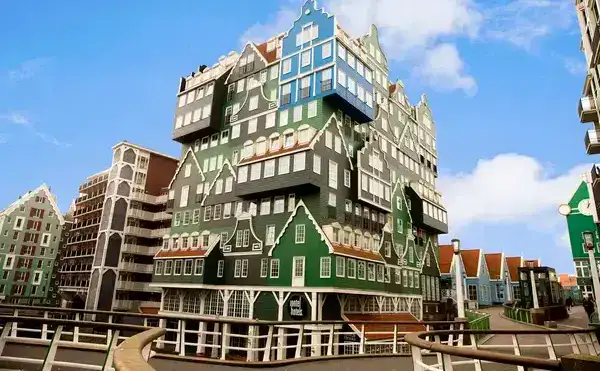
Inntel Zaandam near Amsterdam is a showstopper—its facade is a stack of 70 traditional Zaanse houses, 11 stories high. It took four years to pull off, with some serious engineering behind the whimsical look.
Capsule hotels are a marvel of efficiency. Tokyo’s Nakagin Capsule Tower (now gone, sadly) once had 140 tiny prefab units, each just big enough for a bed and a suitcase. In Tel Aviv, the O Pod Hotel squeezes 100 pods—with mood lighting and memory foam—right near the beach.
Prison conversions are for the bold. Latvia’s Karosta Prison lets guests sleep in real cells, under the watchful eye of staff in Soviet-era uniforms. It’s not for everyone, but it’s definitely memorable.
These hotels are all about location, design, and making your Instagram followers jealous—without skimping on comfort.
Adventure and Offbeat Overnight Options
If you’re after stories to tell, these are the spots. Sleeping in a converted train car or a room carved from ice? It’s a far cry from a chain hotel.
Sleeper Trains and Railway Carriages
Modern sleeper trains can be surprisingly plush—think fold-down beds, private bathrooms, and huge windows to watch the world roll by. The Venice Simplon-Orient-Express is the gold standard, with Art Deco cabins and vintage details everywhere.
Static railway accommodations turn retired train cars into hotels on wheels. Many keep the original brass and upholstery but sneak in modern comforts.
Some standout spots:
- Scotland: Glamping pods made from old Caledonian Sleeper carriages
- Netherlands: Train cars reimagined as boutique hotel rooms
- United States: Vintage Pullman cars converted into luxe suites
Expect to pay $150-400 per night. The narrow corridors and tight sleeping spaces are part of the charm, really—it’s a throwback to the golden era of train travel.
Houseboats and Floating Villas
Lake houseboats are all about slow mornings and water views. In Kashmir, Dal Lake’s shikaras come with carved woodwork and floating gardens—pretty magical at sunrise.
Floating hotels can be anything from sleek glass-walled barges in Amsterdam (check these out) to cozy Northern Lights cabins in Norway with heated interiors for cold nights.
What makes them special?
- Stability tech to keep things steady (no seasickness, please)
- Easy water access for swimming or kayaking
- Big windows for those sunrise and sunset moments
- Private decks for meals or just lazing around
Most come with kayaks and fishing gear. Prices range from $200 up to $800 a night, depending on how fancy you want to get.
Igloos, Ice Hotels, and Arctic Domes
Ice hotels get rebuilt from scratch every winter, using staggering amounts of ice and snow. Finland’s Arctic SnowHotel, for example, is packed with wild ice sculptures, frozen beds, and welcomes guests starting on December 15th until March 31st, showcasing a one-of-a-kind sculpted design that is different each season. There are even an Ice Chapel, the Ice Restaurant and snow saunas, in a mesmerizing atmosphere..
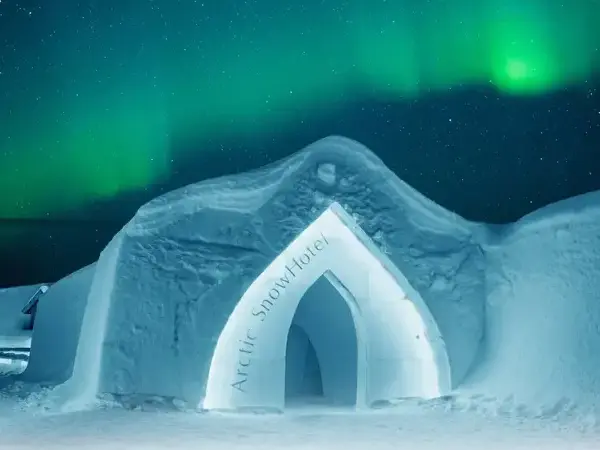
Glass igloos are a different vibe—they let you soak in those Arctic views without ever getting cold. Finland’s glass domes give you a full 360-degree look at the Northern Lights, all while you’re toasty inside at around 68°F. Not bad, right?
Arctic accommodations provide:
| Feature | Ice Hotels | Glass Igloos | Heated Domes |
|---|---|---|---|
| Temperature | 23-27°F | 68-72°F | 68-75°F |
| Northern Lights | Limited view | Full panoramic | Excellent view |
| Bathroom | Shared heated facility | Private ensuite | Private ensuite |
| Season | December-April | September-April | Year-round |
Most Arctic stays throw in thermal clothing rentals, sauna time, and somewhere cozy to hang out. But here’s the thing: if you want to stay in an ice hotel, you really do have to plan ahead—these places only exist for a few months out of the year, and they fill up fast.