Solo travel is moving way beyond the usual beach resorts and city escapes. These days, more solo travelers are hunting for experiences that feel genuinely meaningful—something that feeds both solitude and a sense of spiritual discovery. Enter the hermitage vacation, a style that invites travelers to settle into contemplative spaces, often tucked inside or just outside religious retreats, monasteries, or other sacred spots designed for reflection and a bit of soul-refresh.
These unusual accommodations give solo travelers a framework for meditation, digital detox, and spiritual exploration, all without sacrificing comfort or safety. Whether it’s a Buddhist monastery in the mountains of Asia or a former convent somewhere in rural Europe, these hermitage-style retreats offer guided programs that mix cultural immersion and personal growth in ways that can be surprisingly moving.
And honestly, it’s not just for the religious crowd. If you’re simply desperate for a break from the relentless buzz of modern life, these retreats usually offer daily meditation, yoga, and a chance to dip into monastic traditions. It’s a rare space to unplug from screens and plug into something much older and quieter.
Pilgrimage Among Buddhist Monasteries
Buddhist monastery pilgrimages draw solo travelers looking for deep spiritual experiences in places that feel truly sacred. These journeys are a mix of meditation, cultural immersion, and personal reflection across some of Asia’s most revered religious sites.
Core Pilgrimage Destinations
The classic Buddhist pilgrimage circuit hits four main spots in India and Nepal. Bodhgaya is where Buddha reached enlightenment beneath the Bodhi Tree. Sarnath is the spot for his first sermon.
Lumbini in Nepal is Buddha’s birthplace, and Kushinagar is where he attained final nirvana. Each place brings a unique flavor of meditation and its own historical weight.
Modern Monastery Experiences
Today’s Buddhist tour packages for solo travelers let you customize your trip, often including guided meditation and direct interaction with monks. You can participate in the daily rhythm of monastery life—something that can be unexpectedly grounding.
Himalayan monasteries have adapted with modern tourism infrastructure but still hang onto their core traditions. It’s a balancing act, but it works—travelers get an authentic experience without losing the spiritual heart of the place.
Regional Variations
| Region | Focus | Key Sites |
|---|---|---|
| Thailand/Myanmar | Theravada tradition | Shwedagon Pagoda |
| Mongolia | Tibetan Buddhism | Erdene Zuu Monastery |
| Nepal | Multiple traditions | Ancient stupas |
Nepal’s Buddhist pilgrimage tours feature working monasteries where ancient traditions live side by side with new meditation centers. If you’re traveling solo, you’ll find programs that support your own spiritual goals but also give you a sense of community.
Pilgrimage Among Hindu Monasteries
Hindu monasteries scattered across India open their doors to solo travelers looking for something deeper. These are places built for meditation, learning, and a chance to step away from the noise of everyday life.
Popular Monastery Destinations:
| Location | Notable Feature | Best For |
|---|---|---|
| Rishikesh | Himalayan ashrams | Yoga and meditation |
| Haridwar | Ganga Aarti ceremonies | Spiritual cleansing |
| Varanasi | Ancient learning centers | Philosophy study |
| Tiruvannamalai | Ramana Ashram | Self-inquiry practices |
Solo pilgrims can join in the daily routine—morning prayers, meditation, dharma talks. Many monasteries are happy to host visitors for anything from a weekend to a few weeks, depending on your vibe.
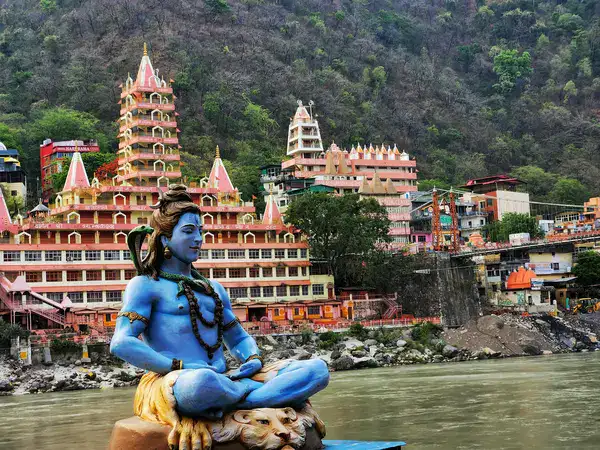
Pilgrimage travel is actually booming in India, with bookings for these kinds of stays way up. There’s a clear appetite for spiritual exploration among today’s travelers.
What Solo Travelers Can Expect:
- Basic, no-frills accommodations
- Vegetarian meals, usually prepared following religious rules
- Set times for prayer and meditation
- Chances to do seva (selfless service)
- Guidance from monks or resident teachers
Most Hindu monasteries stick to a strict daily schedule that starts before sunrise. Visitors are expected to respect dress codes, food rules, and periods of silence during ceremonies.
Pilgrimage Among Franciscan Monasteries
Franciscan Pilgrimage Programs has been guiding travelers for over 50 years, bringing more than 20,000 people from all over the world to experience these historic monasteries. Their focus? Authentic spiritual journeys—not just sightseeing.
Popular Destinations
Assisi and Rome top the list, letting pilgrims walk in the footsteps of Saint Francis. These places are steeped in history and offer quiet corners for prayer and reflection—something that’s hard to find in most tourist hotspots.
The emphasis is on prayer, reflection, and learning about the Franciscan way of life. Pilgrims are after spiritual connection, not just ticking off landmarks.
What Makes Franciscan Pilgrimages Unique
- Focus on the spirituality of Saint Francis and Saint Clare
- Access to historic monasteries and sacred sites
- Guided experiences with time for contemplation
- Small groups for a more personal journey
Interest in these pilgrimages is definitely rising—people want travel that means something, that ties together history, culture, and a sense of purpose. The Franciscan approach appeals to those who want to actually walk the walk.
Planning Considerations
Not all destinations are open right now—some Holy Land trips are on hold due to conflict—but European spots like Assisi are still welcoming pilgrims.
Franciscan monasteries are more than just religious sites. They double as cultural centers, giving solo travelers a structured yet personal way to connect with centuries of tradition.
Meditation And Yoga Sessions
Hermitages are stepping up with structured meditation and yoga programs crafted for solo travelers looking for a bit of inner peace. Typically, you’ll find two sessions a day—mornings for energizing flows, evenings for something more restorative.
Most places offer guided meditation lasting anywhere from 20 to 45 minutes. Expect a mix of breathwork, mindfulness, and just sitting quietly—sometimes that’s the hardest part.
Daily Schedule Example:
- 6:00 AM – Morning meditation
- 7:00 AM – Gentle yoga flow
- 6:00 PM – Restorative yoga
- 8:00 PM – Evening meditation
Yoga classes are open to all levels, so you don’t have to be a seasoned yogi. Instructors are usually happy to offer modifications, props, or just a bit of encouragement if your downward dog is more of a downward blob.
Solo travel yoga and meditation retreats offer the kind of routine that can stick with you long after you’ve checked out. The structure helps—sometimes it’s easier to build new habits in a place with no distractions.
Many hermitages have dedicated meditation halls, complete with cushions and soft lighting. If the weather’s good, you might even get to practice outside, surrounded by gardens or wild landscapes.
If you want a more tailored experience, private sessions are usually on offer. These one-on-ones let you work on specific goals or deal with any physical limitations.
Common Practice Styles:
- Hatha yoga (slower-paced)
- Vinyasa flow (movement-based)
- Yin yoga (lots of stretching)
- Vipassana meditation (insight-focused)
- Loving-kindness meditation
With regular practice and the right setting, solo travelers often find themselves growing in self-awareness and learning how to manage stress a bit better—at least for a while.
Eremito Hotel In Umbria
Eremito is a modern-day monastery tucked away in the wilds of Umbria’s nature reserve in Italy, staring out over a UNESCO Biosphere Reserve. Honestly, it feels like a world apart.
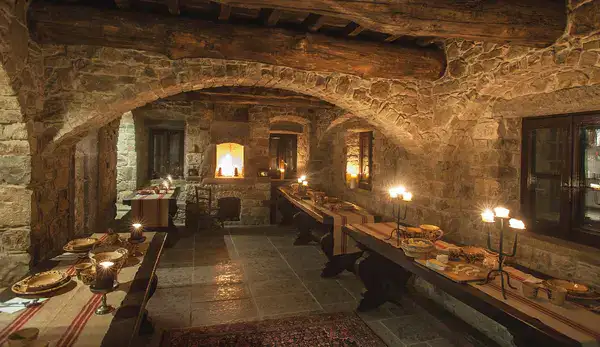
Designer Marcello Murzilli built this secular hermitage with solo travelers in mind, especially those craving a digital detox. The place has even been named one of the world’s top eco-hotels.
Architecture and Construction
The building stays true to 13th-century Italian masonry. It took four years and 130,000 hand-laid stones to bring it to life. The restoration is impressively faithful to the spirit of old monasteries.
Accommodation Features
Guests stay in single celluzze rooms—think minimalist, but with a sense of care. Each room offers:
- Hand-embroidered hemp sheets
- Iron bedstead
- Rock basin
- Not much else, by design
There are a few double rooms if you’re traveling with a friend or just want a bit more space.
Eco-Friendly Operations
This is an off-grid refuge that runs on sustainable systems throughout. Eremito blends ecology and spirituality to create what they like to call “the new luxury of the Third Millennium.”
The hotel is also known as Hotelito del Alma, or “little hotel of the soul”. Guests get the rare treat of real quiet—total disconnection from daily chaos, but with the wilds of Umbria just outside your window.
Convent of St. Francis of the Desert (Venice)
San Francesco del Deserto sits quietly in the Venetian Lagoon, tucked between Sant’Erasmo and Burano. This 4-hectare island retreat gives solo travelers a rare shot at real monastery life—no frills, just the calm of old stones and water.
The Franciscan monastery dates back to 1230, though some say Saint Francis of Assisi himself stopped by in 1220. There’s a long, mostly unbroken history here, save for the odd interruption over the centuries.
Key Features for Visitors
| Attraction | Details |
|---|---|
| Chapel | Where Saint Francis reportedly prayed |
| Two Cloisters | Guided tours available |
| Gardens | Cypress-scented with Burano views |
| Monastery | Active Franciscan community |
The island picked up its “desert” name back in 1420, when malaria forced everyone to leave for a while. Eventually, the friars returned and brought the place back to life, sticking around until 1806.
Visiting Requirements:
- Call ahead—friar availability isn’t guaranteed
- Keep your voice down during tours
- Be mindful of the contemplative mood
Daily transport leaves Burano at 2:30 PM. The cypress-lined gardens offer honestly gorgeous views across the lagoon.
This small Franciscan community hosts spiritual retreats in what’s arguably one of Italy’s most evocative sacred spots. There’s a certain quietness here that just feels real—history and monastic life blending in a way you don’t find everywhere.