Hong Kong blends modern innovation with deep-rooted tradition, creating a city that’s honestly like nowhere else. Its skyline towers above Victoria Harbour, yet you’ll stumble across quiet temples, wild markets, and lush peaks that somehow balance the city’s restless energy with a surprising calm. This guide is meant to help travelers get a feel for what makes Hong Kong so remarkable—and how to dive into its top attractions with a bit more confidence.
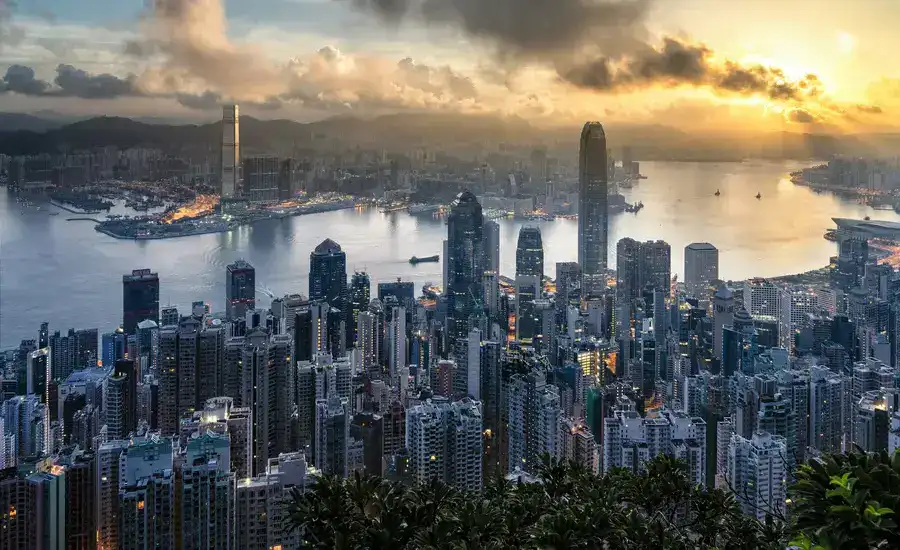
From the sweeping views at The Peak to the packed streets of Sham Shui Po, every neighborhood has its own personality. You’ll find the city’s spirit in its art districts, old landmarks, and food scenes that mix Cantonese roots with global flavors. There’s always something just around the corner—if you’re willing to look.
It’s not just about skyscrapers and shopping, either. Hong Kong’s islands, hiking trails, and fishing villages are a world apart from the urban rush. This guide aims to give you enough practical tips and ideas to tackle the city’s mix of modernity, tradition, and nature without feeling lost—or overwhelmed.
Understanding Hong Kong: An Overview
Hong Kong is a mashup of dense city life, preserved green spaces, and a culture shaped by both Chinese and international influences. Its small footprint, layered past, and slick infrastructure make it one of Asia’s most unique—and honestly, accessible—places to visit.
Geography and Districts
Hong Kong’s made up of Hong Kong Island, Kowloon, and the New Territories, plus more than 260 outlying islands. The area covers roughly 1,100 square kilometers, with mountains and coastline defining the landscape.
The famous skyline clusters around Victoria Harbour, the city’s heartbeat for both trade and tourism. You can take in the views from The Peak or hop on the old-school Star Ferry to cross the water.
Each district feels different. Central and Sheung Wan mix colonial buildings with finance towers, while Kowloon—especially Tsim Sha Tsui and Mong Kok—is a neon jungle of markets and crowds. The New Territories and islands like Lantau and Lamma are all about hiking, beaches, and slower-paced villages.
The Los Angeles Times has a handy district guide showing how easy it is to get around Central, TST, and Mong Kok by public transport with an Octopus card, which is basically a magic pass for buses, trains, and ferries (Hong Kong District Guide).
Cultural Heritage and Diversity
Hong Kong’s culture is a real mix of Cantonese traditions, colonial history, and international flavors. Temples like Man Mo and monasteries such as Po Lin on Lantau Island show off the city’s spiritual side, while the West Kowloon Cultural District is all about art and creativity.
The Hong Kong Palace Museum and M+ Museum keep the city’s artistic and historical treasures in the spotlight.
Major festivals—Lunar New Year, Mid-Autumn Festival, Dragon Boat Festival—bring everyone together. And the food? From classic dim sum joints to high-end global restaurants, it’s proof that Hong Kong loves a good cultural mash-up.
Essential Travel Tips
Getting around is a breeze with the Octopus card, accepted on pretty much all public transport and at loads of shops. The MTR zips through the main districts, and ferries are perfect for island-hopping.
Both English and Cantonese are official, and you’ll see bilingual signs everywhere. It’s smart to keep some cash for tiny vendors, though contactless payments are everywhere these days.
The weather’s subtropical, so pack light most of the year, but don’t forget rain gear for summer. Staying hydrated and ducking into air-conditioned spots during sticky afternoons is just common sense.
If you’re heading to crowded places like Mong Kok or Causeway Bay, check local updates and transit info to avoid surprises.
Top Places to Visit in Hong Kong
Hong Kong is where urban buzz meets natural escapes and cultural icons. You can soak up skyline views, wander through ancient temples, or hit family-friendly attractions that really show off the city’s range.
Victoria Peak and The Peak Tram
Victoria Peak is the highest spot on Hong Kong Island and, honestly, the views are hard to beat. Most folks hop on the Peak Tram—a funicular that’s been running since 1888—for a steep, dramatic ride up the hill with skyscrapers and Victoria Harbour unfolding below.
At the summit, Sky Terrace 428 gives you a full 360-degree view, while Peak Tower and Peak Galleria have shops, food, and more lookout points. If you’d rather skip the crowds, the Lugard Road Lookout is a quieter spot surrounded by greenery.
Victoria Harbour and Tsim Sha Tsui Promenade
Victoria Harbour is classic Hong Kong. The Star Ferry has been shuttling people across for over a century, and it’s still one of the best (and cheapest) ways to see the skyline.
Walking the Tsim Sha Tsui Promenade, you’ll pass the Clock Tower, Hong Kong Cultural Centre, and the Avenue of Stars—a tribute to local film legends. Stick around for A Symphony of Lights, a nightly show that turns the skyline into a colorful, musical spectacle.
Nearby, the Hong Kong Museum of Art and Space Museum make this area a solid pick for culture buffs.
Lantau Island Highlights
Lantau Island is where you go for green space and spiritual sites. The Big Buddha (Tian Tan Buddha) sits high on Ngong Ping, and the Ngong Ping 360 cable car up there gives you wild views of sea and mountains.
Right next door, Po Lin Monastery is all incense and old-school tranquility. If you want to slow down even more, the Tai O fishing village is famous for its stilt houses and laid-back vibe.
Hikers can tackle trails to Sunset Peak or Lantau Peak for big coastal views. Curious about the details? The Hong Kong Tourism Board’s Lantau Island section has you covered.
Hong Kong Disneyland and Ocean Park
For families, Hong Kong Disneyland and Ocean Park are always on the list. Disneyland (on Lantau) has themed zones, character meetups, and parades for all ages, plus three hotels right on site.
Ocean Park Hong Kong mixes marine life, thrill rides, and animal encounters. Its Water World area is packed with slides and pools—perfect for hot days. You’ll spot giant pandas, ride cable cars between park sections, and maybe learn a thing or two about ocean conservation.
Exploring Iconic Neighborhoods
Hong Kong’s urban landscape is a jumble of colonial history, business towers, and street-level culture. You’ll bounce between glass high-rises, hillside homes, and market alleys that peel back the city’s many layers.
Central and Mid-Levels
Central is Hong Kong’s financial and cultural heart. Big-name banks, luxury malls, and landmarks like the HSBC Building and Bank of China Tower dominate the skyline. The Mid-Levels Escalator—the world’s longest outdoor covered escalator—links the business core to quieter residential streets up the hill.
Old favorites like St. John’s Cathedral and the Flagstaff House Museum of Tea Ware hint at British days. The Tai Kwun Centre for Heritage and Arts is a cool reuse of a former police station, now filled with galleries and restaurants (cultural complex).
Grab the Star Ferry from Central’s piers for some of the best skyline views, or wander through Central Market, a 1930s building turned local hangout for snacks and crafts. The nightlife around Lan Kwai Fong is still buzzing, it’s a must for first-timers.
Kowloon Peninsula
Across the harbor, the Kowloon Peninsula is denser and, in some ways, more down-to-earth. It stretches from Tsim Sha Tsui at the water up to Mong Kok, with museums, parks, and jam-packed markets. The Avenue of Stars is the go-to spot for the Symphony of Lights show.
Culture-seekers should check out the Chi Lin Nunnery, Nan Lian Garden, and the West Kowloon Cultural District, home to the Xiqu Centre and M+ Museum. For a touch of history, Kowloon Walled City Park is now a peaceful green patch where the world’s most crowded neighborhood once stood.
You’ll find everything from old-school tea houses to modern malls and hotels. The area’s mix of tradition and trendiness makes it one of Hong Kong’s liveliest spots.
Mong Kok and Sham Shui Po
Mong Kok and Sham Shui Po are where Hong Kong’s grassroots energy really comes alive. Mong Kok’s Ladies’ Market and Sneaker Street are always buzzing with bargain hunters, while Sham Shui Po’s Fuk Wing Street is a haven for toy lovers and electronics tinkerers.
The Apliu Street Flea Market is a bit of a treasure hunt—vintage cameras, phone parts, odd gadgets, you name it. Cafés like Café Sausalito and indie stores such as Book Punch hint at a creative streak that’s been growing in the area. Despite all the redevelopment, you’ll still find dai pai dong (open-air food stalls) dishing out classic local fare after dark.
Street art and tiny galleries have popped up between old tenement buildings, signaling a slow cultural shift. These neighborhoods offer a snapshot of daily life that’s worlds away from the shiny, commercial feel of Central or Causeway Bay.
Causeway Bay and Wan Chai
Causeway Bay and Wan Chai are a blend of shopping, dining, and a few cultural surprises on the north side of Hong Kong Island. Causeway Bay’s malls—Times Square, Hysan Place, Lee Gardens—are magnets for anyone after big brands or cool local fashion. Victoria Park is close by, and honestly, it’s one of the few open spaces where you’ll see joggers, festivals, and families just hanging out.
Wan Chai is a bit of a mix—colonial buildings next to skyscrapers. The Blue House Cluster is a restored tenement that’s now home to a quirky community museum, while the Pak Tai Temple sits quietly under old banyan trees, a real contrast to the busy streets outside.
Bars and restaurants around Star Street and Ship Street are favorites for locals and visitors alike. There’s something about the way heritage and modern life collide here that feels very “Hong Kong.
Culture, Heritage, and the Arts
Hong Kong hangs onto its cultural identity by juggling historical conservation, artistic innovation, and community traditions. Temples, museums, and creative spaces aren’t just relics—they’re part of how the city knits together its past and present.
Museums and Art Galleries
Hong Kong’s museums do a solid job of tracing the city’s artistic and historical journey. The Hong Kong Museum of History walks you through the transformation from a fishing village to a metropolis. Nearby, the Hong Kong Heritage Museum dives into Cantonese opera, design, and folk traditions—there’s a lot packed in.
The M+ Museum in West Kowloon is all about visual culture: contemporary art, architecture, moving images, and sometimes things that are hard to pin down. Its neighbor, the Hong Kong Palace Museum, brings in Chinese art and artifacts from Beijing’s Palace Museum, offering a window into imperial China.
If you’re into fine art, the Hong Kong Museum of Art bridges Chinese and Western works, so you get a sense of both regional roots and global influences. Private art galleries along Hollywood Road and in Central round things out, showing off modern and experimental pieces that keep the city’s creative pulse beating.
Historical Temples and Landmarks
Hong Kong’s temples and historic spots are layered with cultural influences. The Man Mo Temple on Hollywood Road honors the gods of literature and war, and it’s still an active place of worship—plus, it’s surrounded by antique shops and galleries.
The Wong Tai Sin Temple is where people go hoping for a little luck from Wong Tai Sin, a Taoist deity. The temple’s architecture mixes Taoist, Buddhist, and Confucian styles, which says a lot about the city’s religious mix.
Revamped heritage sites like Tai Kwun—the old Central Police Station—have even caught UNESCO’s attention. Now, it’s a mashup of preserved colonial buildings, art spaces, cafés, and performance venues. Not exactly what you’d expect from a former police compound.
Cultural Events and Traditions
Festivals and performing arts keep Hong Kong’s cultural life lively. Cantonese opera is still a big deal, staged in historic theaters and community centers citywide.
Major events like Chinese New Year, Mid-Autumn Festival, and the Cheung Chau Bun Festival pull in crowds. There’s traditional music, costumes, rituals—honestly, it’s hard not to get swept up in it.
Art fairs such as Art Basel Hong Kong and street performances in various neighborhoods give the city its creative buzz. Through these gatherings, Hong Kong manages to keep tradition and modern art visible in everyday life, which isn’t always easy in a city this fast-paced.
Local Cuisine and Dining Experiences
Hong Kong’s food scene mixes Cantonese roots with a knack for reinventing the classics. You’ll find everything from quick street snacks and bustling night markets to tasting menus that take flavor and technique seriously.
Cantonese Cuisine and Dim Sum
Cantonese cooking is all about freshness, balance, and subtle flavors. Steamed fish with ginger and scallion, roast goose, and clay pot rice are staples that let the ingredients do the talking. Dim sum—literally “touch the heart”—is woven into daily routines here.
Restaurants roll out baskets of har gow, siu mai, and char siu bao, and tea just keeps coming. It’s as much about conversation as it is about the food.
For something traditional but with a twist, The Chairman in Central is often held up as a gold standard for modern Cantonese. They focus on local sourcing and refined technique, and it shows. Ask around—plenty of foodies swear by it.
| Popular Cantonese Dishes | Primary Ingredients | Common Cooking Method |
|---|---|---|
| Har Gow (Shrimp Dumplings) | Shrimp, bamboo shoots | Steamed |
| Char Siu (BBQ Pork) | Pork shoulder, honey, soy sauce | Roasted |
| Steamed Grouper | Fresh grouper, ginger, scallion | Steamed |
Street Food and Night Markets
Street food is still the heart of Hong Kong’s dining culture. Stalls churn out affordable snacks that reflect the city’s working-class roots—fish balls, curry fish skewers, egg waffles, all the classics.
The Temple Street Night Market is a rite of passage for food lovers. It’s a jumble of stalls with stir-fried noodles, clay pot rice, herbal teas, plus clothes and souvenirs if you’re in the mood for browsing.
Pairing a food stop with a stroll through Lan Kwai Fong—famous for its tight-knit bars and late-night eats—is a pretty classic night out. These areas really show how locals unwind over simple, tasty food long after dark.
Fine Dining and Michelin-Starred Restaurants
Hong Kong is packed with Michelin stars—more than most places in Asia. There’s everything from old-school Cantonese to globe-trotting tasting menus.
Places like The Chairman and Lung King Heen showcase how chefs are reimagining regional dishes with seasonal produce and a lot of attention to detail. Expect calm, attentive service and flavors that are balanced, not flashy.
Looking for tips? The Hong Kong Food Guide 2025 is a handy resource for both high-end spots and hidden gems. Whether you’re having dim sum at a plush hotel or seafood with a harbor view, every meal here seems to reflect the city’s obsession with culinary excellence.
Nature, Outdoors, and Islands
Despite the crowds and towers, Hong Kong is surprisingly green. Forested peaks, historic trails, quiet beaches, and old fishing villages are all within easy reach—sometimes just a short ferry or subway ride away.
Hiking Trails and Parks
Hikers have a lot to choose from across Hong Kong’s 24 country parks. The Lantau Trail covers over 70 kilometers of ridges with views of the South China Sea. On Hong Kong Island, the Hong Kong Trail links Victoria Peak to Big Wave Bay, winding through five different parks.
In the New Territories, the Ping Shan Heritage Trail combines old villages with rural scenery. Urban parks like Hong Kong Park, Nan Lian Garden, and Kowloon Walled City Park offer peaceful gardens and ponds, even with skyscrapers looming nearby.
Outlying Islands to Explore
Step off the main grid and Hong Kong’s islands are a different world. Lamma Island is laid-back, with seafood spots and the easy Family Trail connecting Yung Shue Wan and Sok Kwu Wan. Cheung Chau is a maze of alleys, temples, and beaches that draw kayakers and windsurfers.
Peng Chau is even sleepier, with tiny temples and hilltop views. Over on Lantau Island, Tai O is a fishing village famous for its stilt houses and dried seafood market.
If you want something more remote, Tung Ping Chau and Po Toi Island have wild rock formations and clear water—perfect for a day trip.
Beaches and Coastal Escapes
Hong Kong’s coastline is dotted with sandy bays and rugged headlands, great for swimming or just a lazy picnic. Shek O Beach and Stanley Main Beach on the south side of the island are easy to get to and have water sports for the more active types.
Over in Sai Kung, Hap Mun Bay and Tai Long Wan stand out for their clear water and hiking access. Cheung Sha Beach on Lantau Island is one of the longest stretches—good for camping or surfing, or just zoning out.
Mixing coastal walks with local eats or hopping a ferry between islands is a solid way to spend a day. The Hong Kong Tourism Board’s nature guide at Hong Kong: City of Nature is worth a look for practical info on getting to these spots.
Unique Experiences and Practical Information
Hong Kong is all about the balance—modern convenience, deep culture. There are quirky shopping districts, energetic nightlife, and a transport system that makes getting around a breeze.
Shopping Destinations
Hong Kong’s retail scene bounces between gleaming luxury malls and the kind of lively street markets that seem to pop up around every corner. Harbour City in Tsim Sha Tsui and IFC Mall on Hong Kong Island are where you’ll find big-name designer brands and a surprisingly good mix of dining options. If you’re more into quirky treasures, Ladies’ Market and Temple Street Night Market in Mong Kok serve up affordable fashion, souvenirs, and plenty of local snacks.
If you’re hunting for independent boutiques, SoHo and PMQ in Central are worth wandering—these spots spotlight local designers and creative studios that don’t always get the attention they deserve. And when it comes to electronics, Sham Shui Po is still the place to go, with its maze of gadget shops, fabric stalls, and random craft supplies.
| Type of Shopping | Recommended Area | Highlights |
|---|---|---|
| Luxury & Brands | Central, Tsim Sha Tsui | Designer fashion, fine dining |
| Street Markets | Mong Kok, Yau Ma Tei | Bargains, souvenirs, local food |
| Creative & Local | Sheung Wan, SoHo | Local art, crafts, design goods |
Nightlife and Entertainment
Hong Kong’s nightlife is a bit of a chameleon—it shifts from sleek rooftop bars to pockets of tradition in the blink of an eye. Lan Kwai Fong and SoHo are buzzing with bars, lounges, and restaurants that don’t seem to know the meaning of “closing time.” Over in Tsim Sha Tsui, the Symphony of Lights lights up Victoria Harbour every night—a skyline show that’s hard to ignore.
If live performances are more your speed, the West Kowloon Cultural District rolls out music, theater, and art exhibitions. But honestly, sometimes the best evenings are the quiet ones—just strolling along Victoria Harbour’s promenade, camera in hand, with the city lights reflecting off the water.
And when festival season rolls around, like Chinese New Year or Mid-Autumn, the city throws itself into street parades, lantern displays, and traditional performances that add a whole other layer to the nightlife vibe.
Transportation and Getting Around
Hong Kong’s public transport is efficient, affordable, and honestly, it just works. The MTR (Mass Transit Railway) takes care of most urban commutes, while buses and trams branch out into neighborhoods the trains skip. If you want a classic experience, the Star Ferry shuttles you between Kowloon and Hong Kong Island, and those harbor views? Worth it every time.
The Octopus Card makes life easier—just tap and go on trains, ferries, and even at 7-Eleven. Taxis are everywhere, and if you’re feeling lazy or it’s raining, ride-hailing apps are a lifesaver.
For quick hops, those green and red minibuses zip through residential streets and are surprisingly handy, though the routes can be a bit of a mystery at first. Honestly, walking is underrated here, especially in compact spots like Central or Tsim Sha Tsui—most things are closer than they look on a map.