New Trends in Upscale Travel: AI Concierge Solutions
Ultra-Personalized Digital Assistants with AI Concierge Services
Luxury travel is entering a new era where artificial intelligence quietly enhances every moment. Today’s elite travelers expect more than comfort—they expect seamless, intuitive service that anticipates their needs before they speak. AI concierge services are making that a reality, turning digital assistants into bespoke travel sidekicks who handle the tiny details before you even think to ask. Click on the link for more information on the definitions of elite tourism and how it is evolving.
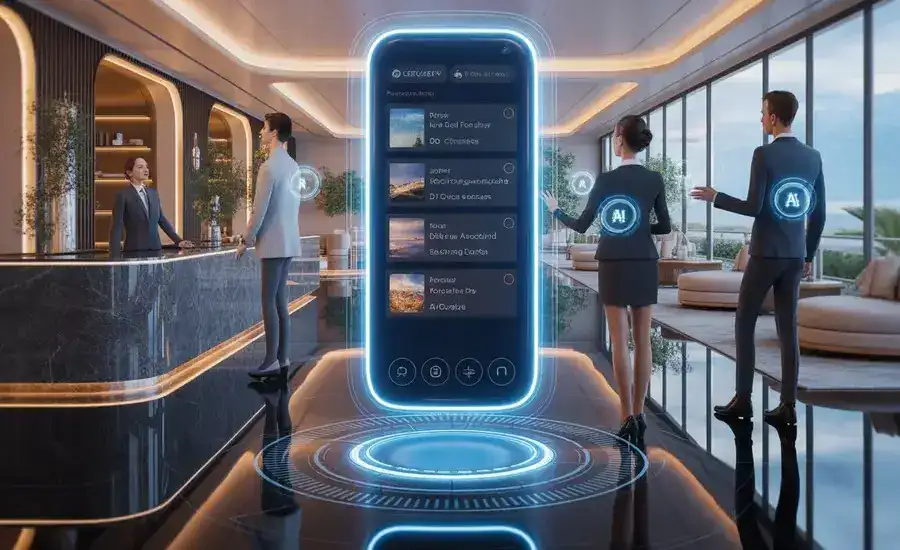
These clever systems aren’t just fancy schedulers. They sift through your preferences, react to last-minute changes, and coordinate everything from private transfers to hard-to-get dinner reservations. If you’ve skimmed Resident’s feature on AI in luxury travel, you’ve seen how digital concierges now build itineraries that morph in real time as you move through your trip.
With each leap forward, the boundary between human intuition and machine intelligence gets fuzzier. AI concierges—like those in The Rise of the “Silent Concierge”—work quietly in the background, dialing up personalization while keeping things discreet. It’s a pretty big shift in how luxury travel is crafted and delivered.
Rise of AI Concierge Services in Luxury Travel
AI concierge services are seriously changing how guests interact with hotels. It’s automation meets personalization—faster replies, smoother coordination, and service that adapts to your quirks and routines. This isn’t just a tech upgrade; it’s a reimagining of what luxury even means in hospitality.
Evolution from Human to AI-Assisted Concierge
Concierge work used to be all about personal touch and local know-how—now, it’s about always-on digital assistants. Old-school concierges leaned on their city contacts; the new wave uses guest data to predict what you want before you even ask.
Platforms described as AI concierges redefining luxury travel deliver service that feels invisible—no waiting, no need to repeat yourself. They’ll remember your favorite room temp, your go-to cuisine, even how you like your lights set up, and just make it happen.
Sure, humans are still better at reading a tricky mood or improvising, but AI is unbeatable for consistency and scale. Most hotels now blend both: people for the nuanced stuff, machines for the repetitive grind. It’s a mix that keeps things exclusive but also way more efficient.
Adoption by Leading Hotels and Brands
Big hospitality players are all in on AI concierge tech. Mandarin Oriental and Accor, for example, have rolled out digital assistants that can juggle guest requests and tweak itineraries in seconds. Some hotel suites now auto-adjust scent, lighting, and climate through AI. Wild, right?
These systems run 24/7, so there’s no downtime or human fatigue, this helps hotels keep standards high, even in the dead of night.
Some tech companies—think Blocktech Brew—are building white-label concierge platforms that hotels can tweak to fit their brand. It’s a clever way for properties to stay unique while sharing the AI backbone.
Expanding Access Beyond Elite Travelers
AI concierges aren’t just for the penthouse crowd anymore. Smaller hotels and boutiques are rolling out lighter versions to offer tailored suggestions and speed things up. It’s a bit like watching luxury trickle down—automation makes it affordable and accessible for more travelers.
The upshot? Guests get easier bookings, real-time updates, and spot-on suggestions—without needing a private travel agent. That line between high-end exclusivity and everyday convenience? It’s getting pretty blurry as AI spreads across the industry.
Core Technologies Powering Ultra-Personalized Digital Assistants
AI concierge systems lean on a mix of predictive analytics, natural language processing (NLP), and virtual avatar interfaces to make travel feel personal. These tools let digital assistants anticipate needs, talk with a human touch, and create immersive experiences that rival real hospitality.
Predictive Analytics for Anticipatory Service
Predictive analytics taps into machine learning to spot patterns and forecast what guests might want. By crunching booking histories, seasonal trends, and context, the system can suggest experiences before you even think of them.
Say you’re a wine buff—an AI concierge might line up a private tour based on your dining history, or tweak your room to match your usual comfort settings. It’s a shift from just reacting to actually anticipating what you’ll enjoy.
And it’s the real-time data that makes it shine. These assistants draw insights from IoT-connected rooms and vehicles to fine-tune the experience. Analytics Insight points out that AI-powered assistants blend context and privacy to create interactions that feel intuitive—and evolve as you do.
| Function | Technology Used | Benefit |
|---|---|---|
| Preference Prediction | Predictive Analytics | Anticipates guest needs |
| Context Recognition | NLP, Machine Learning | Delivers relevant responses |
| Automated Recommendations | Generative AI | Personalizes travel experiences |
Virtual Avatars and Holographic Projection
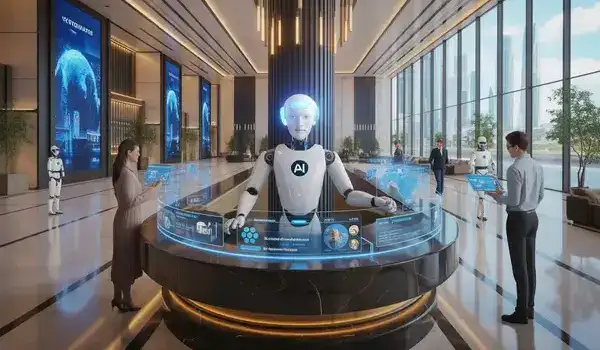
Virtual avatars and holographic projection are making digital presence feel more human. Thanks to AI and generative models, these avatars show up as lifelike hosts in lobbies or suites, giving you that sense of personal service without actual staff hovering nearby.
With new holographic projection tech, assistants can pop up as 3D visuals and respond to gestures or voice, a bit like what we are used to seeing in science fiction films. It’s especially handy in places with multiple languages or for guests who just prefer a more visual approach.
There’s also a Web 3.0 angle. These avatars can handle secure logins, manage blockchain-based loyalty, and keep your digital travel assets in order. It’s a pretty slick combo of realism, smarts, and convenience—designed for travelers who expect more.
Personalization and Customer Experience Transformation
Tailored Experiences and Proactive Recommendations
Personalization through AI lets travel providers craft experiences that fit your interests, quirks, and even spending habits. DeluxeTrip shows how algorithms can build custom itineraries, from private dinners to exclusive access events.
These platforms look at your past trips, search habits, and context—like location or season—to push proactive suggestions. If you’re an art lover, you might get nudged toward a private gallery tour or a pop-up exhibit in town.
Hotels and operators use AI concierges to make real-time tweaks to your plans as your preferences shift. It’s a move from static service to a living, breathing model where relevance and ease trump sheer volume.
| Key Benefits | Description |
|---|---|
| Relevance | Matches offers to personal interests |
| Efficiency | Reduces manual planning and coordination |
| Engagement | Encourages repeat interactions and loyalty |
Omnichannel Service Delivery and Multi-Device Support
Travelers now expect smooth service across all their gadgets. AI-powered concierges bring together chat, apps, smart speakers, and in-room tablets for a proper omnichannel experience.
As Forbes points out, this kind of personalization at scale means you get help instantly—whether you’re texting on WhatsApp or talking to a voice assistant.
It keeps data and tone consistent, no matter how you reach out. Book a spa on your phone, and it’s logged everywhere else automatically.
What’s in it for guests?
- Faster fixes through synced systems
- Less hassle in every interaction
- Better teamwork between digital tools and human staff
Enhancing Customer Loyalty and Satisfaction
Personalized services can really boost customer loyalty by making each experience feel like it’s tailored just for you. These innovations seek to meet demand, given that more and more travelers want that seamless, almost invisible personalization—it should feel like magic, not surveillance.
Future Trends and Responsible Innovation
Luxury travel tech is heading in a direction that’s mindful, not just convenient. There’s a real push for responsible innovation, where comfort meets environmental and ethical sensibility. Digital concierge systems are starting to fold in things like sustainability metrics, wellness tracking, and better data protection—so you get a custom experience without giving up privacy or feeling guilty about your carbon footprint.
Sustainability and Eco-Friendly Options
Upscale travel brands are weaving sustainability into both their digital platforms and on-the-ground operations. Plenty of high-end resorts now rely on AI-driven systems to keep an eye on energy use and suggest eco-conscious choices to guests. Virtual tours let travelers scope out destinations and make smarter, greener choices—take a look at some of the newer sustainable travel models if you’re curious.
Eco-friendly innovations include:
- Smart room controls that cut down on waste and keep resources in check.
- Regenerative travel programs, so guests can actually give back to conservation efforts.
- Working with local suppliers to keep transportation emissions low.
Well-Being, Mental Health, and Telehealth Integration
Luxury travel’s turning a sharper focus toward well-being and mental health, especially with AI-assisted concierge services that curate wellness itineraries just for you. Resorts now combine digital health platforms with on-site care, offering access to telehealth consultations and real-time wellness tracking.
You can line up meditation sessions, get a nutrition plan, or even book remote therapy through these connected systems. All this is supposed to help ease stress and support a more rounded sense of health.
AI concierges are also stepping up privacy, encrypting health data so your personal info stays between you and your provider. That way, guests and health pros can coordinate without worry—technology, care, and a bit of old-fashioned discretion all rolled into one.