The Orient Express is so much more than a luxury train—it’s become a lifestyle brand, constantly reinventing itself while staying true to its roots. These days, the Orient Express umbrella covers not just the legendary Venice Simplon-Orient-Express trains, but also the new La Dolce Vita Orient Express routes winding through Italy, plus a growing lineup of luxury hotels and glamorous sailing yachts around the world.

The Venice Simplon-Orient-Express is a 1920s-inspired vintage train linking major European cities, with every carriage painstakingly restored to capture those original Art Deco flourishes. Meanwhile, the La Dolce Vita Orient Express brings a more modern twist, but never loses that signature elegance the brand’s known for.
The move into hotels and yachts just shows how Orient Express has been elevating the Art of Travel for 140 years. Whether it’s grand suites with polished wood and velvet or Michelin-starred dining, every Orient Express experience is about genuine vintage luxury—not some mass-produced nostalgia, but the real deal for travelers who crave a little old-school glamour.
The Essence of Vintage Luxury on the Orient Express
The Orient Express nails authentic vintage luxury through a blend of historical detail, top-notch hospitality, and timeless design. It turns a simple train ride into a full-on journey through Europe’s golden age of rail.
Defining the Signature Experience
The Venice Simplon-Orient-Express (VSOE) is the gold standard in luxury train travel, with 1920s and 1930s carriages restored to their original glory. Belmond runs the show, keeping those Art Deco interiors looking as sharp as ever.
Inside, you’ll find marquetry panels, crystal fixtures, and hand-crafted furniture. The train boasts 17 original Orient Express cars—a real showcase of early 20th-century European craftsmanship.
Dining is an event in itself: multi-course meals in restaurant cars decked out with crisp linens and silver service. At night, private compartments become cozy sleeping quarters, switching from chic lounges by day.
The VSOE runs classic routes connecting London, Paris, Venice, and other storied cities. This luxury train is for people who want that genuine vintage vibe—not just the latest tech or flashy amenities.
Historic Ambiance and Impeccable Service
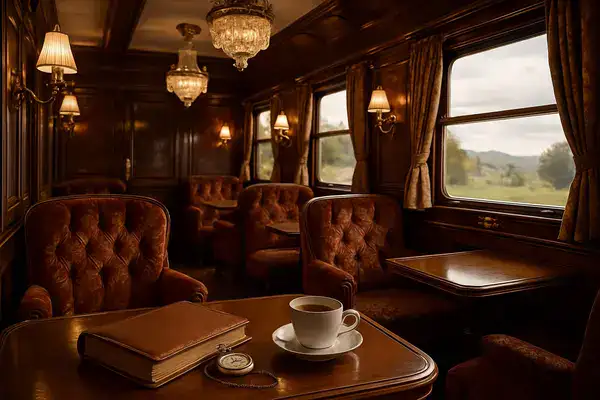
The Orient Express keeps its legendary feel alive with original Lalique glass, restored wood panels, and fabrics that look straight out of the 1920s. That atmosphere is hard to fake.
White-gloved stewards offer a level of service that feels almost from another era. They’re discreet, attentive, and clearly know their stuff—just as if royalty or film stars might walk through the door any minute.
Meals? Classic French cuisine, whipped up in surprisingly small kitchens, served on fine china with sparkling crystal and silverware. The whole thing just oozes vintage class.
Evenings mean live piano in the bar car, cocktails, and the kind of easy conversation that makes you wish the journey would last even longer. It’s a throwback to a time when travel itself was an event.
Embracing Timeless Elegance
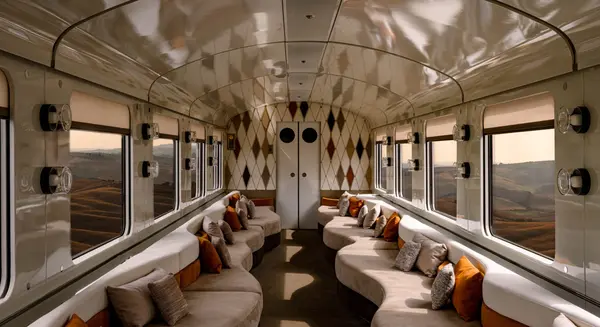
The future Orient Express design (Orient Express brand) is in the hands of architect Maxime d’Angeac, who’s all about blending modern comforts with classic style. It’s a balancing act—keeping the soul of the train while updating what needs updating.
Some standout design touches:
- Mirrored ceilings with gentle lighting
- Circular forms that soften the geometry
- Rich wood panels paired with leather
- Original Suzanne Lalique motifs throughout
The Presidential Suite isn’t messing around: it takes up an entire car, with a private living room, bedroom, bathroom, and a second sleeping space—seriously spacious for a train.
Traveling this way is about more than just getting from A to B. It’s a cultural experience, a way to slow down and actually see Europe roll by through oversized windows framed by embroidered curtains.
Even now, the Orient Express has that air of romance and intrigue that inspired Agatha Christie. Sure, it’s updated for today’s traveler, but that old magic is still there.
History of the Orient Express and Its Legacy
The Orient Express started as Georges Nagelmackers’ big idea back in 1883, shaking up European travel with the Compagnie Internationale des Wagons-Lits. It didn’t just set new luxury travel standards—it became legendary, thanks in part to its role in books and films.
Origins and Vision of Georges Nagelmackers
Nagelmackers got his inspiration after a trip to the U.S. in 1867, where he saw American sleeping cars firsthand. Nursing a broken heart, he left Europe and found himself fascinated by these new rail innovations.
When he came back, he saw the potential: why not connect Western Europe to the Ottoman Empire with a train that was as much about the journey as the destination?
The first trip rolled out on October 4, 1883—Paris to Constantinople, forty passengers, seven days. It really did change how people thought about long-distance travel, stitching together Europe’s capitals in a way that felt almost impossible at the time.
The Rise of Compagnie Internationale des Wagons-Lits
Nagelmackers launched the Compagnie Internationale des Wagons-Lits in 1876, years before the Orient Express itself. The company quickly became the go-to for high-end rail travel across Europe.
They went all in—luxurious train cars, innovative services, and a boldness that set them apart. CIWL wasn’t afraid to push boundaries, and it paid off.
Some big moves from CIWL:
- Building luxury sleeping cars
- Offering full travel agency services
- Setting up workshops across Europe
- Constructing palace hotels along major routes
By 1894, they weren’t just about trains—they’d moved into hospitality, launching the Compagnie Internationale des Grands Hôtels and building lavish hotels from Paris to Peking.
The Simplon-Orient-Express route debuted in 1919, with those instantly recognizable midnight blue cars. It linked Paris to Istanbul via Milan and Venice, tunneling straight through the Alps. Pretty ambitious stuff.
Evolution of Luxury Train Journeys
The Orient Express didn’t stand still. In the late 1920s, decorator René Prou and glassmaker René Lalique reimagined the Pullman lounge cars, giving them that iconic French Art Deco vibe.
These carriages became the gold standard—dining cars with crystal, plush sleeping compartments, observation lounges with sweeping views, and, of course, concierge service that made guests feel like VIPs.
Luxury highlights:
- Dining cars with crystal and silver
- Private sleeper cabins with fine linens
- Lounges with panoramic windows
- Concierge-level service
The Orient Express kept running until 2009, covering the length of continental Europe—Paris, Istanbul, plus branches to Athens, Brussels, and London. But by 1977, the last direct Paris-Istanbul journey had rolled out. Air travel was taking over, and the golden age of rail was winding down.
Influence on Literature and Cinema
Agatha Christie’s “Murder on the Orient Express” (1934) cemented the train’s place in pop culture. The book was an instant hit, and honestly, it’s hard to imagine a better setting for a whodunit.
That story spawned countless film and stage versions, keeping the Orient Express in the public imagination for generations. Directors couldn’t resist its blend of mystery and glamour—it just begs for intrigue.
The train’s become a cinematic icon, too, cropping up in movies as a symbol of elegance, espionage, and high society. It’s one of those rare travel experiences that marketers and storytellers keep coming back to.
Elements of its cultural impact:
- Belle Époque elegance
- Backdrop for spy tales
- Inspiration for luxury travel branding
- Emblem of European chic
The Orient Express legacy is alive and well thanks to modern luxury trains like the Venice Simplon-Orient-Express, which channel the original’s spirit and keep its legend going strong.
Venice Simplon-Orient-Express: A Modern Revival
The Venice Simplon-Orient-Express is probably the best example of classic luxury rail brought back to life—original vintage cars, updated service, and a real sense of occasion. James Sherwood of Belmond kicked off the revival in 1982, tracking down and restoring those legendary sleeping cars from auctions and giving them a new lease on life.
Restoring Vintage Carriages
James Sherwood began the restoration project in 1977 when he discovered two vintage sleeping cars at a Sotheby’s auction. The process took five years of hunting down and refitting authentic carriages from the original Orient Express era—no shortcuts, just patience and a real eye for detail.
Each carriage was painstakingly restored, keeping those original Art Deco flourishes alive while sneaking in modern safety and comfort. Craftsmen revived marquetry, brass, and woodwork to match the old specs as closely as possible. You can really see the handiwork up close.
They’ve done a solid job holding onto the train’s character—period furnishings, original sleeping compartments, fold-down beds, and those quirky compact washbasins all stick around, making the nostalgia feel pretty genuine.
Flagship Journeys: Paris to Istanbul
The Paris to Istanbul route is, hands down, the most famous journey the original Orient Express ever ran. It’s a multi-day ride connecting Western and Eastern Europe, and it’s about as classic as train travel gets.
Along the way, the train stops overnight in major European cities. Landscapes shift from French countryside to Swiss Alps, then the Balkans, and finally Turkey—it’s a patchwork of scenery that never really gets old.
Unlike the old days, the full Paris to Istanbul trip only runs as a special seasonal departure now. Coordinating it means wrangling a bunch of different rail networks across borders—no small feat, honestly.
Notable Routes through the Swiss Alps
The Alpine sections are a real highlight, threading through some of Europe’s wildest mountain scenery. The routes wind through Switzerland’s legendary tunnels and viaducts—think late 19th-century engineering, still holding strong.
Popular Swiss destinations include:
- St. Moritz winter services
- Innsbruck connections
- Scenic routes through the Bernina Pass region
Swiss journeys mean panoramic windows and special observation spots for soaking in those mountains. Weather and the season play a big part in which routes are open, so timing matters if you’re after the alpine experience.
The Role of Belmond in Revitalization
Belmond really changed the game, turning the Venice Simplon-Orient-Express into a proper icon of luxury and old-school glamour. Their focus on authenticity has set a high bar for heritage rail travel.
They’re not just sticking to tradition, either. Belmond keeps rolling out new routes, like the upcoming Amalfi Coast service in 2026. It’s a clever mix—classic luxury, fresh destinations.
They keep investing in unique carriages, too. The new L’Observatoire carriage, designed by artist JR, launched March 2025. It’s bold, artistic, and—at $100,000 a night—definitely not for the faint of wallet.
Grand Suites and Cabin Experiences
The Venice Simplon-Orient-Express has six named grand suites, each with a private bathroom, personal steward service, and, yes, unlimited champagne. The Art Deco design is everywhere, but there’s no shortage of modern comforts tucked in for travelers who expect the best.
Design and Features of Grand Suites
The six grand suites—Paris, Venice, Istanbul, Budapest, Prague, and Vienna—debuted in March 2018, aiming for that top-tier, over-the-top luxury vibe. Each suite leans into Art Deco, but also nods to the landscapes it’s named after.
Private bathrooms with proper showers and full-size amenities are standard, a big step up from the shared setups in regular cabins. Climate control is individual, so you can keep things just right even as the train crosses climates.
Spacious layouts make room for comfy seating and sleeping areas. The mix of rich fabrics, polished wood, and vintage-inspired fixtures keeps things feeling true to the 1920s.
Every suite has its own decorative quirks, but all stick to the luxury brief. Silk upholstery, crystal details, and handpicked materials are everywhere you look.
Private Accommodation Options
Grand Suite guests get private transfers to and from the train at departure and arrival—one less thing to stress about.
Personal stewards are assigned to each suite, handling luggage, meal preferences, and whatever special requests pop up. It’s the kind of service that makes you forget you’re on a moving train at all.
If you want to eat in your suite, just ask. In-suite dining covers the full restaurant menu and turns your cabin into a private dining room, which is honestly pretty tempting.
Sleeping setups can be double or twin beds, depending on what you need. There’s enough space for luggage and personal stuff, so you won’t feel cramped.
Onboard Amenities and Personalization
Unlimited champagne is included for grand suite travelers. If you want a glass at midnight, no one’s stopping you.
Personalized service goes beyond just meals—timing, temperature, even special occasions get tailored. Stewards work with the kitchen to handle dietary needs or preferences, no fuss.
Suites come with entertainment systems and communication setups for business or just keeping in touch. There’s a writing desk, too, if you feel like jotting down postcards or planning the next leg of your trip.
Luxury toiletries and linens are refreshed daily. Expect bathrobes, slippers, and some genuinely nice care products—small details, but they add up.
Gourmet Dining and Social Spaces
The Orient Express turns every meal into a bit of theater, thanks to its lavish dining cars and cozy social spaces. World-class cuisine, endless champagne, and those intimate bar corners really dial up the sense of occasion—this is luxury rail travel at its most indulgent.
Dining Cars and Culinary Excellence
The dining cars serve up five-star meals with crisp linens, fine china, and crystal glassware. The lighting—soft chandeliers and ornate lamps—creates a warm, almost cinematic atmosphere at every sitting.
Three-Michelin-starred Chef Heinz Beck leads the culinary show aboard La Dolce Vita Orient Express. Menus spotlight Italy’s regional flavors, with each dish crafted to impress.
Breakfast Service:
- Freshly squeezed fruit juices
- Sicilian brioche with artisanal jams
- Aromatic Italian coffee
- International sweet and savory selections
The Venice Simplon-Orient-Express pairs gourmet cuisine with fine wines at every meal. Ingredients are top-notch, and the whole experience feels like a celebration of food and travel.
Bar Car and Social Atmosphere
The Lounge Bar is the beating heart of the train—lacquered ceilings, plush furnishings, and a palette of soft neutrals make it both elegant and inviting. People tend to gravitate here, whether for a quiet drink or lively chat.
Italian Aperitivo gets its due in these spaces. Think antipasti buffets, signature cocktails, and some truly impressive Italian wines.
The bar car is where the social energy peaks—pre-dinner drinks, laughter, and the sparkle of crystal and brass echoing the golden age of rail. If you’re feeling sociable, this is the spot.
Exclusive Champagne and Caviar Offerings
Premium champagnes are on hand for formal dinners and special moments. The train stocks some serious bottles from storied French houses—definitely a step above your average pour.
Caviar service is done the classic way: mother-of-pearl spoons, crystal dishes, and all the proper trimmings. It’s a nod to old-world hospitality that still feels relevant, somehow.
The wine cellars are extensive, with rare vintages and exclusive labels. Sommeliers are on hand to suggest pairings for each dinner course, and their recommendations rarely disappoint.
Booking, Pricing, and Travel Details
The Venice Simplon-Orient-Express books through specific channels, with prices starting at £3,800 per person for a twin cabin. Reservations go through authorized agents or official sites, and the schedule covers multiple European routes throughout the year.
How to Purchase Tickets
To book, go through an authorized travel agent or a specialist luxury train platform. You’ll need a 25% deposit up front to lock in your cabin.
Booking Requirements:
- Valid passport for international travel
- Credit card for deposit payment
- Specific travel date selection
- Cabin type preference
It’s smart to book early—seats are limited and demand is high, especially in peak season. Some journeys sell out months in advance, so waiting isn’t a great idea if you’ve got your heart set.
You can reserve up to 11 months ahead. Single occupancy costs extra, so keep that in mind when budgeting.
LuxuryTrainTickets.com and Official Channels
LuxuryTrainTickets.com handles bookings for the Venice Simplon-Orient-Express, and their team can help with route choices, cabin upgrades, and special requests.
The site lists prices and shows what’s available. For personalized help, you can call their specialists at 020 3640 8887—sometimes it’s just easier to talk it through.
Official booking channels include:
- Belmond’s direct website
- Authorized luxury travel agents
- Specialized train tour operators
These are the safest bets for real VSOE experiences and reliable pricing. Third-party sites might have different deals or terms, so check the fine print before booking anywhere else.
Seasonal Schedules and Route Options
The Venice Simplon-Orient-Express runs from March through November, weaving its way across Europe with a handful of classic routes. Some of the most sought-after journeys link London and Venice, Paris and Istanbul, plus a few other intriguing city pairs.
Primary Routes:
- London to Venice (1-2 nights)
- Paris to Venice (1 night)
- Venice to Paris (1 night)
- Annual Paris to Istanbul journey
Departures ramp up in the summer—honestly, that’s when you’ll see the train most often, with weekly trips along the main lines. Spring and autumn slow down a bit, offering just a handful of dates for those who prefer a quieter ride.
Travelers settle into restored 1920s carriages for the night, soaking in the old-world charm. Some routes are a quick 24-hour escape, while others stretch out for days, winding through some of Europe’s most iconic landscapes.